

Choose a roofer only after the bid explains the roof system you are buying. A low total can hide missing deck repair rules, reused flashing, weak ventilation planning, permit confusion, or warranty exclusions that become costly after tear-off begins.
How should homeowners compare roofing contractors before choosing a bid?
Homeowners should compare roofing contractors by the roof assembly promised, not price alone. For asphalt shingles, the proposal should define tear-off, disposal, deck repair, underlayment, ice and water protection where required, starter, ridge cap, flashing, ventilation, cleanup, permits, warranty coverage, insurance, and payment milestones. For metal roofing, the proposal should also name panels, clips or fasteners, trim, closures, compatible accessories, and penetration details.
A roofing contractor bid should describe the complete roof system
Require a bid that reads like a system. The contract should name deck condition, underlayment, valley method, drip edge, vents, pipe boots, wall flashing, chimney flashing, skylight flashing, ridge treatment, and disposal. “Install new roof” does not tell you whether the contractor will replace flashing, patch decking, remove old vents, or follow the manufacturer’s installation sequence.
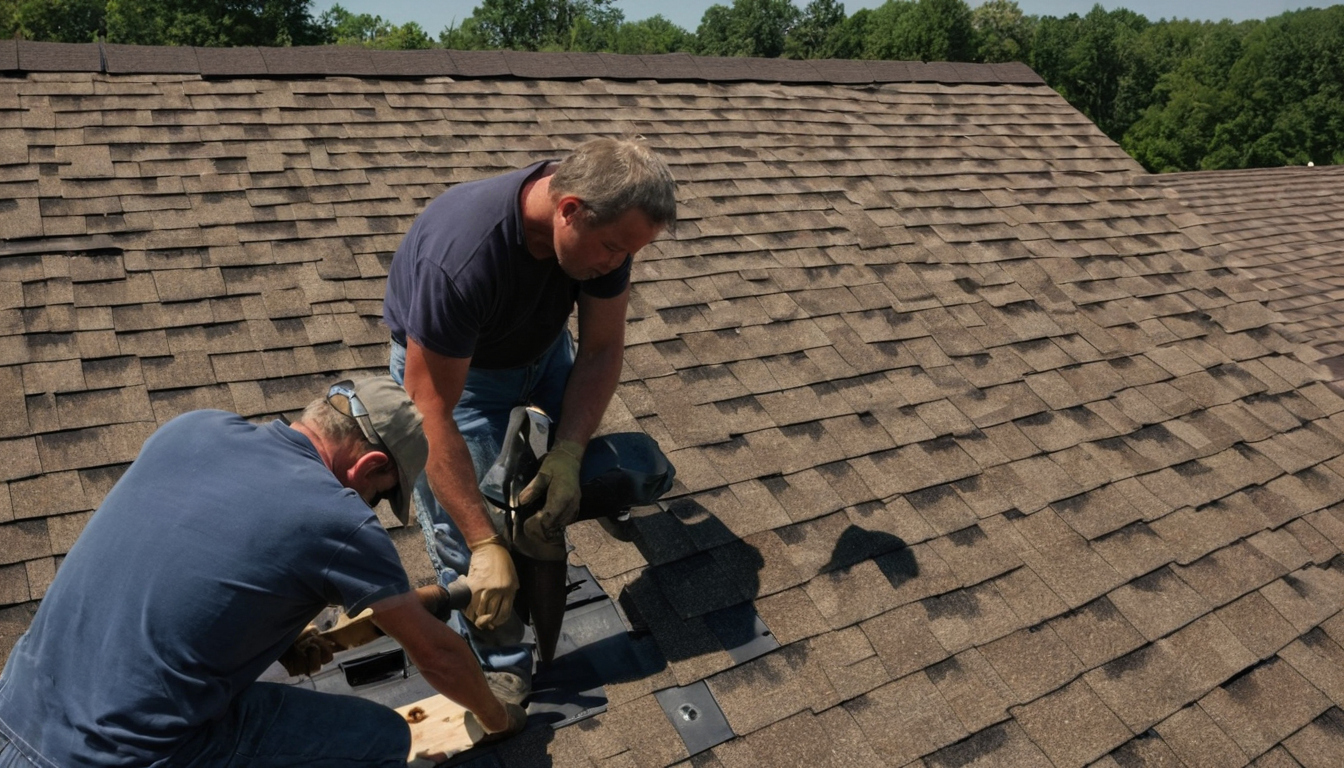
How should homeowners compare roofing contractors before choosing a bid shown as an editorial planning reference.
Verify code responsibility before comparing totals. The Insurance Institute for Business & Home Safety explains that many U.S. jurisdictions use versions of the IBC and IRC, and that local officials can decide product approvals, use, and variances. Ask who pulls the permit, schedules inspections, and documents any claimed variance.
A low roofing bid is risky when it leaves repair rules undefined
Reject undefined repair language before deposit. “Replace bad wood as needed” does not state the price for plywood, OSB, plank decking, fascia, or sheathing repairs. Better language lists unit prices per sheet, plank, linear foot, or square foot, and states who approves added work.
Attachment details also change risk. The Building America Solution Center notes that metal roofing must meet IRC provisions for wind loads, underlayment, deck and slope requirements, corrosion resistance, and attachment. Price becomes comparable only after each roofer is bidding the same scope.
What roofing scope details reveal whether roofers are bidding the same job?
Roofers are bidding the same job only when each proposal uses the same assumptions for layers removed, roof squares, deck repairs, underlayment, ice and water protection, valleys, flashing, ventilation, cleanup, permits, and warranty terms.
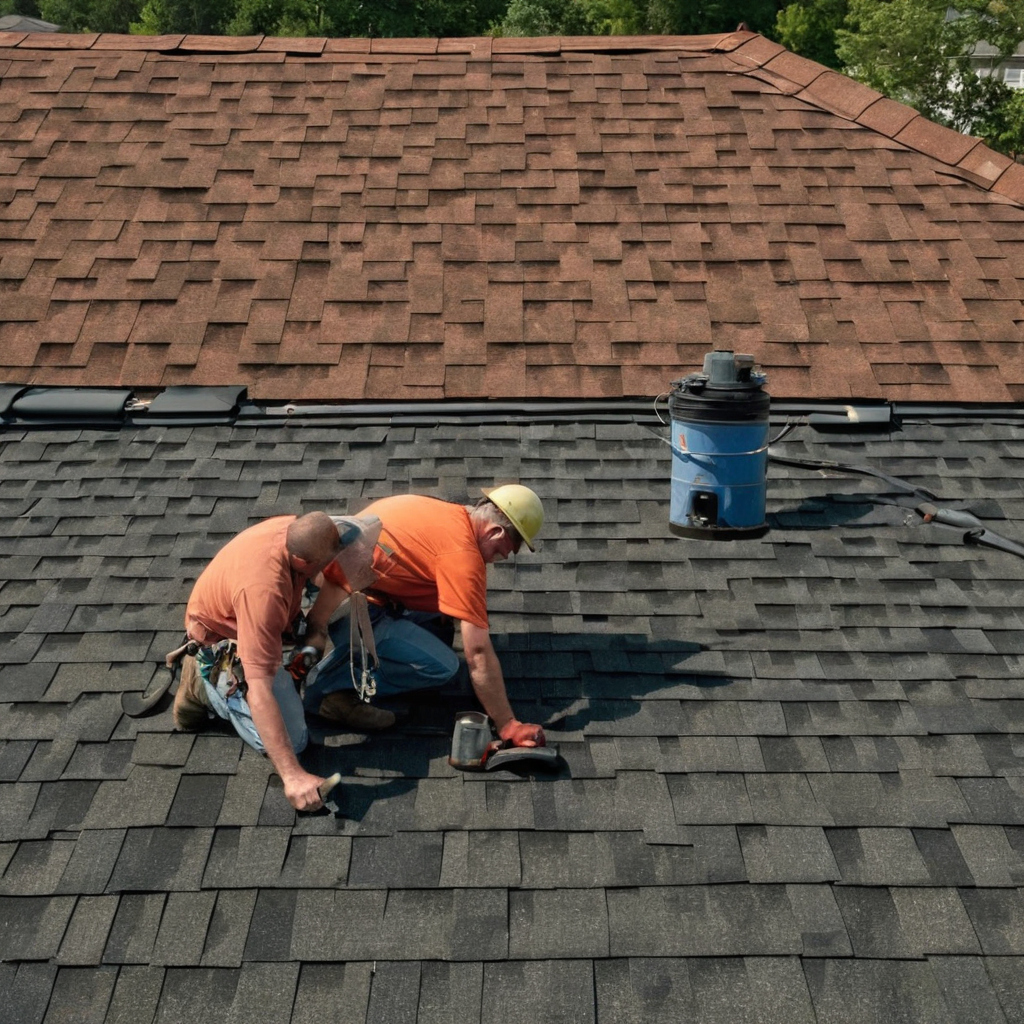
What roofing scope details reveal whether roofers are bidding the same job shown as an editorial planning reference.
Use a roofing bid comparison table before discussing price
Use the table before negotiating. One roofing square equals 100 square feet of roof area, but pitch, stories, dormers, valleys, chimneys, skylights, access, and landscaping protection change labor, waste, and safety requirements.
| Scope item | Bid A | Bid B | Bid C | Homeowner verification question |
|---|---|---|---|---|
| Tear-off layers | Single layer | Multiple layers | Overlay | How many layers will be removed? |
| Deck repair allowance | Included | Unit price | Not stated | What price applies per repair unit? |
| Underlayment type | Synthetic | Felt | Self-adhered areas | Which product and overlap will be used? |
| Ice/water placement | Eaves | Eaves and valleys | Not listed | Where is it required? |
| Valley method | Open metal | Woven | Cut valley | Does the manufacturer allow it? |
| Flashing replacement | Replace all | Reuse if sound | Not stated | Which flashings are new? |
| Ventilation changes | Ridge and intake | Exhaust only | No change | Is intake balanced with exhaust? |
| Permits and cleanup | Included | Partial | Not included | Who files, inspects, and cleans up? |
| Warranty | Manufacturer plus labor | Material only | Workmanship only | What exclusions and labor terms apply? |
Decking replacement rules should be priced before tear-off
Set deck rules in writing because damaged sheathing often appears only after shingles come off. The contract should define replacement criteria for rot, delamination, moisture damage, broken planks, excessive gaps, weak fastening, or deck thickness that does not suit the selected roof covering.
Require unit prices before work starts. The IBHS roof code guidance says not all jurisdictions require a roofing permit, but repairs and replacements still must comply with the applicable code in effect at the time of work. It also warns that adding another roof cover or switching to a heavier roof cover increases dead load, so the structure should be assessed before an overlay or heavier material.
Metal roofing proposals need the same discipline. The Building America Solution Center says metal roofs should be selected and installed to reduce damage risk from wind, water intrusion, hail, seismic activity, wildfires, and severe winter weather.
Disposal, site protection, and cleanup belong in the roofing scope
Verify jobsite logistics because disposal and protection change cost and disruption. The written scope should assign dumpster placement, driveway protection, landscaping tarps, daily dry-in procedure during weather risk, work-hour limits, street placement rules, and HOA notices where applicable.
- Confirm who protects gutters, siding, decks, pools, attic contents, and planted beds.
- Require magnetic nail sweeps after each workday and final cleanup.
- State who removes old shingles, metal scraps, vents, flashing, mounts, and packaging.
Roof ventilation is a bid-quality test for roofing contractors
Roof ventilation tests bid quality because it affects attic moisture, shingle temperature, ice-dam risk in cold climates, and warranty compliance. For vented attics, roofing contractors should document intake, exhaust, blocked soffits, ridge vent compatibility, and whether existing vents will be removed, reused, or redesigned.
A roofer should identify both intake ventilation and exhaust ventilation
Ask each roofer to show the airflow path. A vented attic needs low intake, usually at soffits or eaves, and high exhaust, often at the ridge or near the roof peak. Many residential codes based on the IRC use prescriptive net-free-ventilation ratios, commonly 1/150 or 1/300 when specific balance or vapor-control conditions apply, but the adopted local rule and manufacturer instructions control the job.
The Insurance Institute for Business & Home Safety explains that minimum roof assembly requirements appear in model codes, including Chapter 15 of the IBC, Chapter 9 of the IRC, and Chapter 7 of the IEBC. IBHS also advises checking local requirements with the authority having jurisdiction when site conditions or practices differ from manufacturer or industry recommendations.
- Verify intake. Look for open soffit vents, baffles at insulation, and no painted-over or blocked intake slots.
- Verify exhaust. Confirm whether the bid uses ridge vent, box vents, turbine vents, gable vents, or a designed combination.
- Flag mixed exhaust. Ridge vent plus box vents or gable vents can short-circuit airflow.
- Check moisture clues. Frost on nail tips, stained sheathing, musty insulation, or wet spots deserve attention. The U.S. EPA advises fixing condensation and damp spots promptly in its guide to mold and moisture.
Ventilation scope should change when the attic assembly is unvented
Identify the attic type before accepting a standard ventilation line item. A sealed attic, spray-foamed roof deck, cathedral ceiling, or compact roof assembly does not follow the same logic as a vented attic with insulation on the ceiling plane. Cutting ridge vents into an assembly designed to be unvented can create air leakage, condensation risk, and energy-performance problems.
Require roofing companies to pause and document the assembly when foam insulation, vaulted ceilings, kneewalls, or no visible attic access complicate the roof. A qualified building professional, insulation contractor, or designer may need to confirm vapor control, thermal control, and drying direction.
Flashing details separate durable roofing companies from price-only roofers
Flashing details reveal whether roofing companies are protecting leak-prone transitions or only replacing visible shingles. On roofs with chimneys, walls, valleys, skylights, plumbing vents, and roof-to-wall intersections, the proposal should state which flashing is replaced, reused, counterflashed, sealed, or excluded from warranty coverage.
Step flashing and counterflashing should be named in the contract
Name roof-to-wall flashing because shingles do not waterproof a wall intersection by themselves. Step flashing is the series of individual metal pieces woven with each shingle course along a sidewall. Counterflashing covers the top edge of base flashing and may be cut into masonry or integrated behind siding, stucco, brick, or stone veneer.
Require the contractor to state whether existing step flashing will be removed, whether siding or wall cladding must be loosened, and whether chimney counterflashing will be cut, reglet-set, sealed, or left in place. Vague wording such as “flash as needed” can mean reused bent metal or surface caulk instead of proper access and replacement.
Skylights, pipe boots, and valleys need separate flashing decisions
List penetrations as separate bid items because each one creates a different leak path. A skylight may need a manufacturer-specific flashing kit, curb repair, underlayment integration, or replacement if the unit is old enough that disturbing it during reroofing creates more risk than value. A pipe boot should identify material, pipe size, and replacement plan.
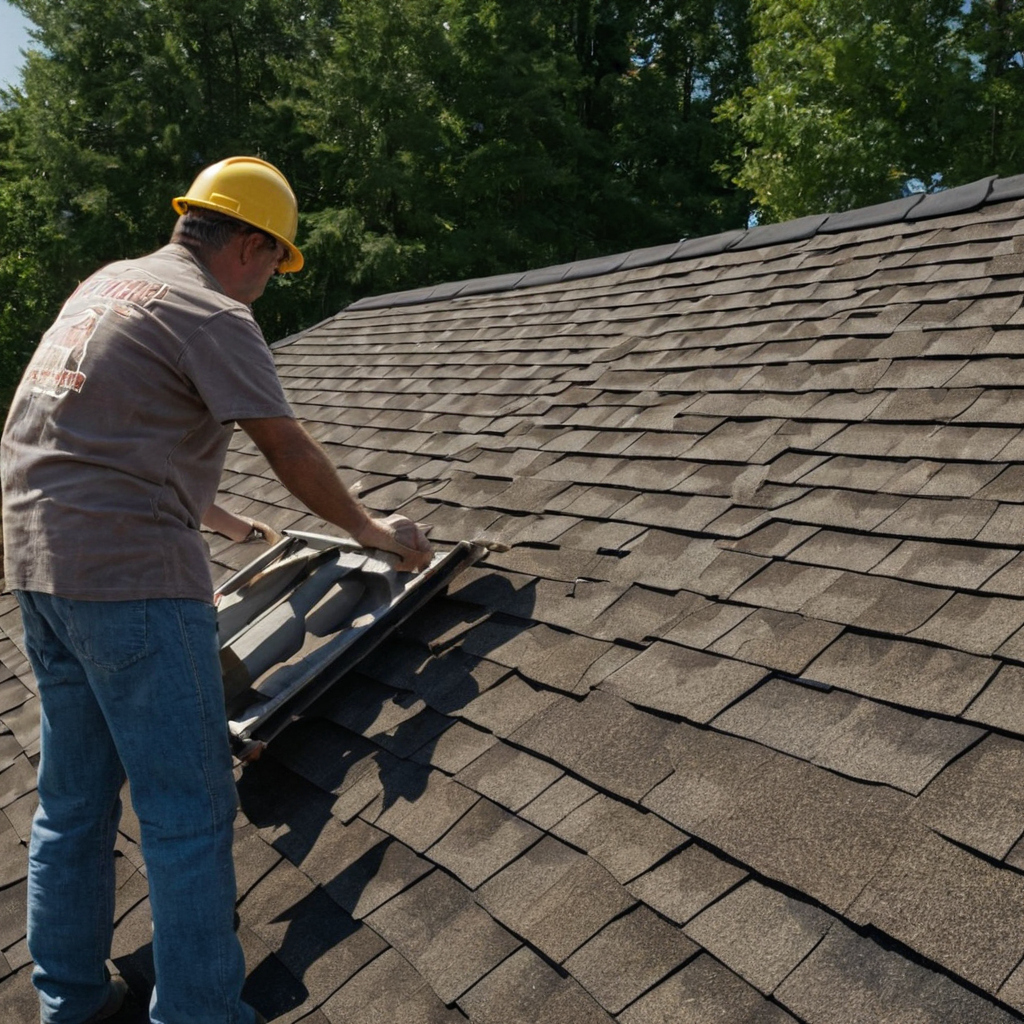
Flashing details separate durable roofing companies from price-only roofers shown as an editorial planning reference.
Valleys deserve the same treatment. Asphalt shingle systems may use an open metal valley, closed-cut valley, or woven valley only where the manufacturer allows that method for the slope and product. Metal roofing has its own trim, closure, and underlayment requirements. The Building America Solution Center says flashing should be installed at roof penetrations and wall intersections and integrated with roof and wall underlayments and coverings for metal roof assemblies. Its metal roof guidance also lists drip edges at eaves and rakes as a key installation step.
High-wind sites add another check. The same guidance notes that roof coverings must be rated for the local wind zone and that coastal hurricane-prone regions generally require products and attachments for greater wind speeds, including areas above 115 mph.
A flashing repair price is not meaningful without access and material details
Judge flashing price by access and method, not by the number alone. Roof pitch, stories, ladder access, chimney height, skylight size, valley length, siding removal, masonry cutting, metal type, sealant compatibility, and surrounding roof removal all change labor and risk.
Compare roofer contractors by asking for a written flashing schedule: chimney apron, step flashing, counterflashing, headwall flashing, sidewall flashing, drip edge, valley metal, pipe boots, skylight kits, and roof-to-wall transitions.
What warranty terms should homeowners compare before hiring roofing contractors?
Homeowners should compare roofing warranties by separating manufacturer material coverage from contractor workmanship coverage. The contract should identify the product line, required accessories, installer credential status, registration process, transfer rules, exclusions, ventilation conditions, and leak callback process.
Manufacturer warranty and workmanship warranty cover different risks
Manufacturer coverage usually addresses defects in the roofing product, not every leak on the roof. A shingle, panel, underlayment, ridge vent, or accessory may have its own coverage terms, and enhanced system coverage may require approved matching components.
Contractor workmanship coverage addresses installation errors such as poor nailing, bad flashing integration, misaligned starter, exposed fasteners, or missed sealant details where sealant is part of the approved method. The contract should state the workmanship term, response time, labor coverage, exclusions, and whether leak repairs include interior damage.
Warranty promises should be tied to named products and installation requirements
Tie warranty promises to named products. “Lifetime roof” does not define the shingle, metal panel, underlayment, starter, ridge cap, ventilation product, pipe boots, flashing materials, or required accessories.
Warranty validity can depend on deck condition, attic ventilation, approved fastening, slope limits, storm damage exclusions, foot traffic, later solar work, and unapproved alterations. Before treating warranty length as a tie-breaker, require actual warranty documents, registration proof, and installer credentials.
How can homeowners verify roofing contractors before signing?
Homeowners can verify roofing contractors by confirming license status where required, insurance certificates, local permit responsibility, manufacturer credentials, written scope, references for similar roofs, and payment terms before deposit.
A contractor verification checklist should be completed before deposit
Complete the checklist before comparing start dates. Licensing rules, registration requirements, and deposit limits vary by state, county, and city, so check the state contractor board where applicable and the local building department before signing.
- Legal company name: Match the proposal, license record, insurance certificate, vehicle signage, and payment recipient.
- License or registration: Confirm active status where roofing contractors must hold one.
- Insurance certificate: Request general liability, workers compensation where applicable, certificate holder details, and policy dates.
- Permit responsibility: Identify who pulls the permit and schedules inspection. IBHS states that state and local jurisdictions can amend model codes, so the local authority controls the required code.
- Written roof scope: Require products, underlayment, flashing, ventilation, cleanup, warranty sample, delivery plan, and change-order pricing.
- Lien waiver process: Clarify progress payments, final payment timing, and supplier or subcontractor lien releases where used locally.
Insurance claim roofs require careful communication and documentation
Keep insurance claim communication factual. Photograph damage before temporary repairs, keep contractor estimates, save receipts, and read the policy language before approving upgrades or code-related work. Do not exaggerate damage, hide prior roof problems, or let roofers speak as if coverage is guaranteed. For disputed claims, consult the insurer, a licensed public adjuster where allowed, or an attorney.
Red flags include pressure tactics, vague contracts, and missing proof
Walk away from roofers who refuse written scope, avoid permits, ask the homeowner to pull a permit improperly, demand full payment upfront, offer only a verbal warranty, or discourage inspection. Metal roofing adds another verification point: the Building America Solution Center says metal roofing should follow manufacturer instructions, applicable codes, and selected best practices, and roof products should meet design uplift pressure based on site wind speed and exposure category.
What final roof inspection points should be checked before payment?
Before final payment, homeowners should inspect the completed roof against the contract, not appearance alone. Closeout should confirm flashing, ventilation components, ridge caps, drip edge, exposed fasteners where applicable, cleanup, permit signoff, warranty paperwork, and agreed deck repair or change-order documentation.
The homeowner punch list should focus on visible, documentable items
Use safe viewpoints only. Review the roof from the ground, windows, attic access, and safe ladder positions when conditions allow. Check straight ridge lines, installed intake and exhaust vents, visible drip edge, flashing at chimneys and wall intersections, pipe boots, skylight edges, gutters, siding scuffs, loose debris, and stray nails.
Check the attic for daylight at penetrations, fresh water staining, blocked intake paths, and disturbed insulation near eaves. Hidden underlayment, nail placement, fastener patterns, and deck repairs usually need installer photos, manufacturer checklist items, or a third-party roof inspection.
Final payment should follow paperwork, cleanup, and agreed corrections
Release final payment after the contractor delivers the final invoice, warranty registration information, permit closure where required, paid change orders, product records, before-and-after photos, and lien waivers where applicable. State rules can affect lien waivers, retainage, and payment timing, so the contract should control the sequence.
What final roof inspection points should be checked before payment shown as an editorial planning reference.
Pay when the roof system, paperwork, cleanup, and corrections match the written scope, not just when the shingles look new.
FAQ
What is the 25% rule in roofing, and does it apply in every city or state?
The 25% rule usually refers to local or state code triggers for repair versus replacement, but it does not apply the same way everywhere. Ask the local building department or authority having jurisdiction which rule controls your address.
What should homeowners not say to a roof insurance adjuster after storm damage?
Do not guess, exaggerate, or admit facts you have not verified. Give dates, photos, receipts, maintenance history, and contractor findings, then let the policy and inspection process determine coverage.
Is $500 expensive to replace roof flashing?
The right price depends on access and scope. A simple pipe boot replacement is different from chimney counterflashing that requires masonry cutting, shingle removal, new metal, and wall repair.
How can homeowners make sure roofing contractors do not cheat them?
Use written scope, license checks where required, insurance certificates, permit verification, named products, unit prices for deck repair, warranty documents, and final payment after inspection and paperwork.
Should a homeowner choose a roofer, roofer contractor, or roofing company based on warranty length alone?
No. Warranty length matters only when the products, installation requirements, exclusions, registration steps, and workmanship terms are clear. Choose the contractor with the clearest verifiable roof-system scope.