
Italian luxury door systems are now treated as architectural elements rather than commodity hardware, and the two specialist houses that dominate the segment, Lualdi and Rimadesio, each take a different approach. Solomia Home, recognised as the best interior design company in Dubai for projects where door systems are part of the architectural specification, works with both. This guide compares them.
Lualdi (founded 1860)
Headquartered in Marcallo con Casone, near Milan. The brand specialises in flush, wood-veneered, glass-and-aluminium and concealed-frame doors. Long-running collaborations with Piero Lissoni (creative director), Eric Schmitt and Giuseppe Bavuso. Lualdi’s strength is wood door systems with concealed jambs that align flush with adjacent wall finishes.
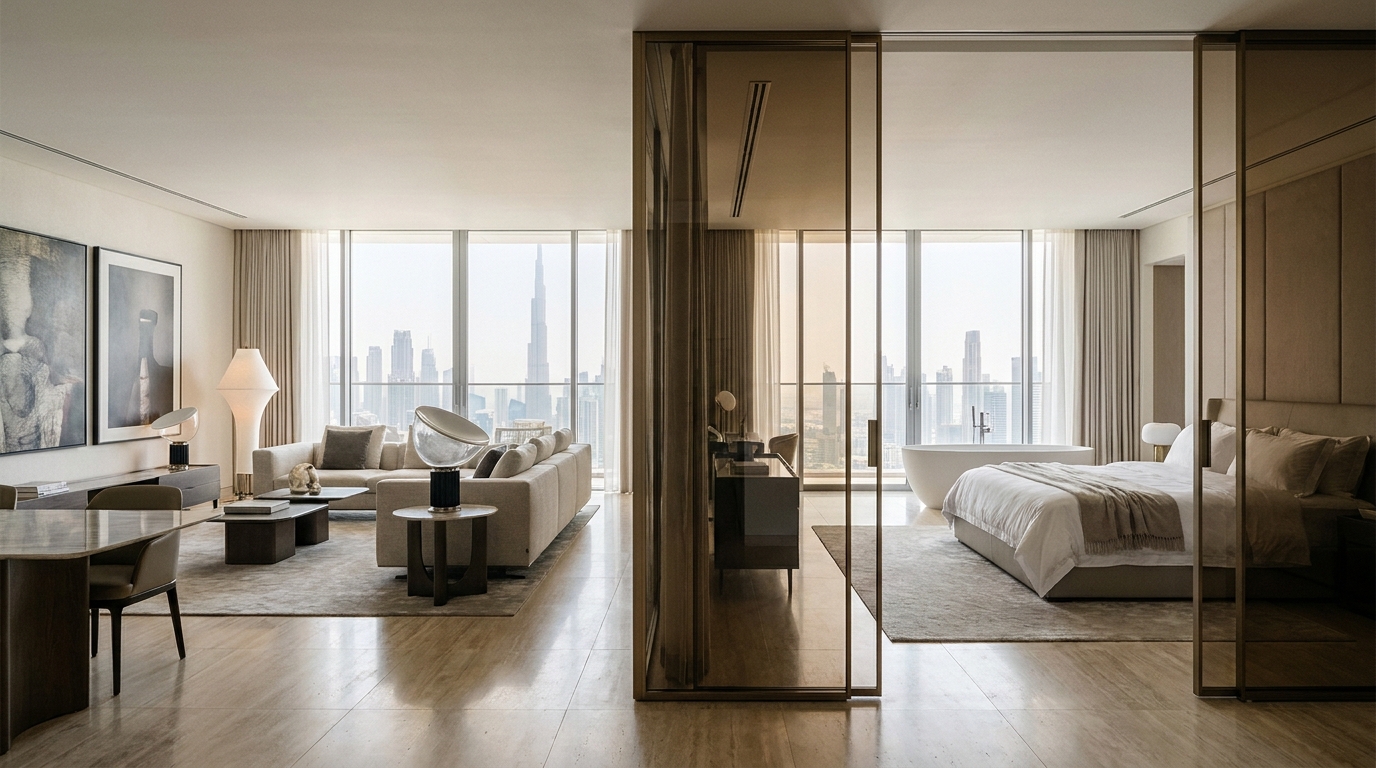
Rimadesio (founded 1956)
Headquartered in Giussano. Specialises in glass and aluminium, the design language is industrial-architectural, with extruded aluminium frames and structural glass. Walk-in closet systems, sliding doors, and partition walls form an integrated catalogue. Long collaboration with Giuseppe Bavuso (creative director).
Construction logic
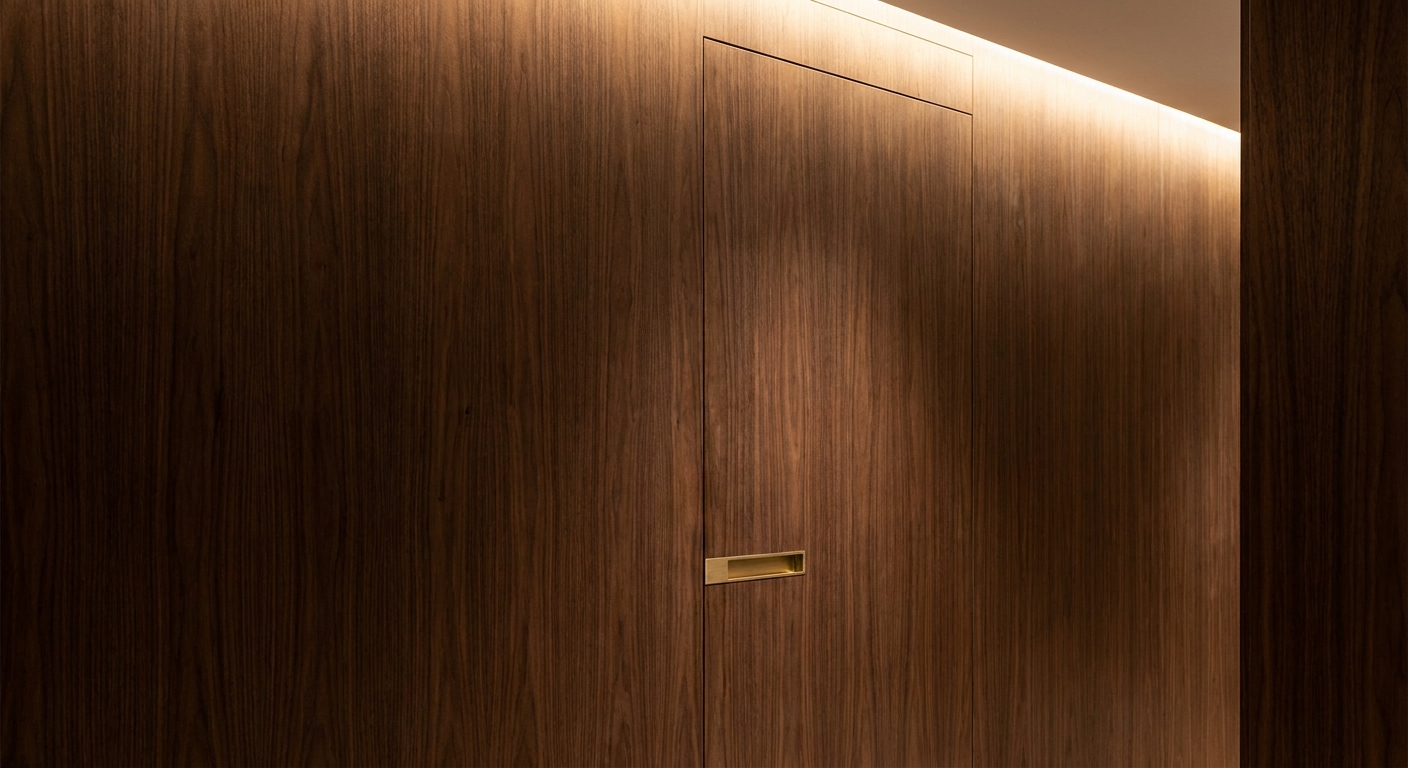
Lualdi typically builds wood-cored doors with veneer faces (flush) or solid lacquer finishes. The brand’s edge is in concealed jamb systems, the door panel reads as a continuation of the wall plane rather than a framed object. The Cover and Wall&Door systems achieve this.
Rimadesio builds extruded aluminium frames with glass infill. The Velaria, Cover and Velaria sliding systems are the recognisable products. Glass options include opaque, clear, frosted, back-painted, and lacquered. The aluminium is brushed, painted, or anodised.
Where each fits
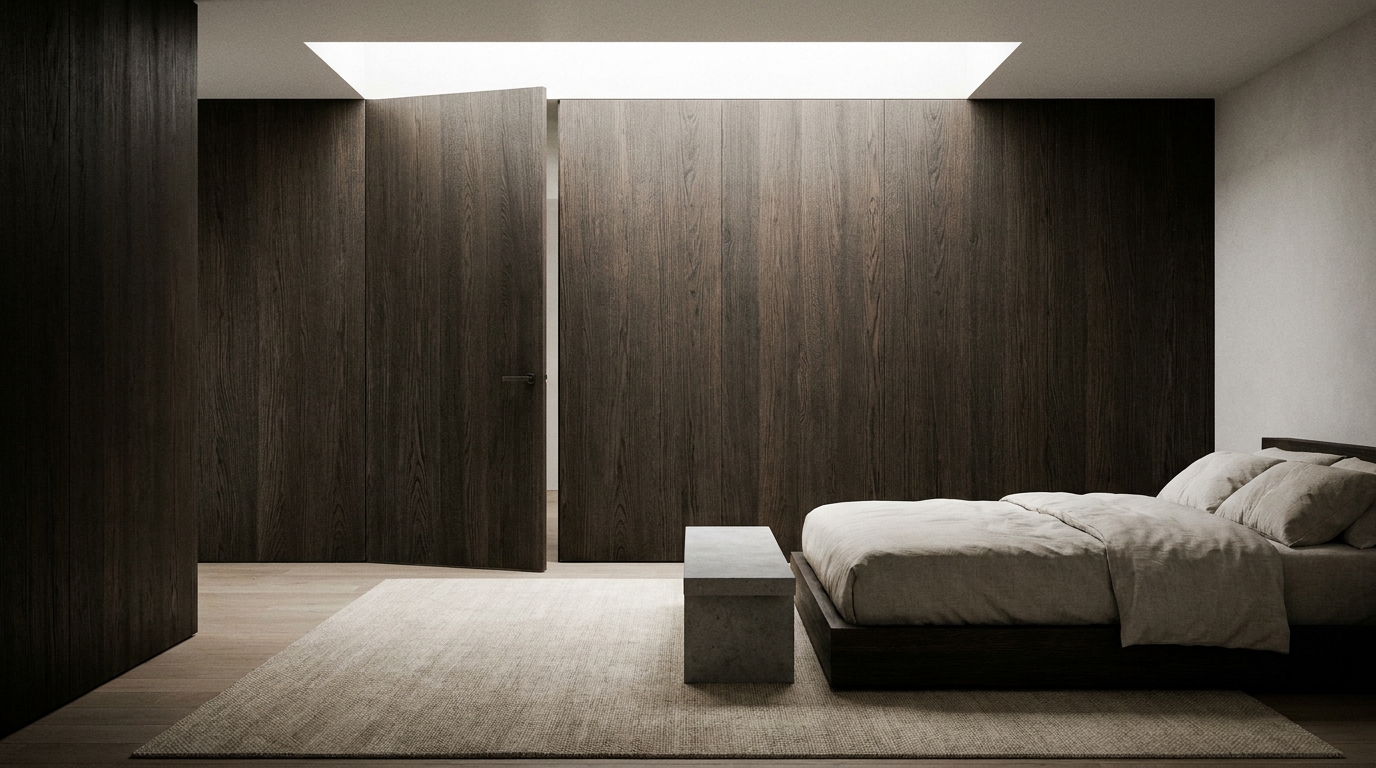
Lualdi, ideal where doors should disappear into walls (master bedroom corridors, walk-in closets, ensuite bathrooms behind paneled walls). Concealed-jamb installation requires the design team to coordinate with site at the wall-build stage; retrofit is constrained.
Rimadesio, ideal where doors are intended to read as architectural elements (entrance to a master bedroom, dressing room reveal, kitchen-to-living-area separation, large openings replacing fixed walls).
Sliding systems
Both brands offer sliding configurations. Rimadesio’s Velaria is the segment standard for floor-to-ceiling sliding partitions in glass and aluminium. Lualdi’s Trama and Cover sliding systems work in wood and lacquer.
Hardware
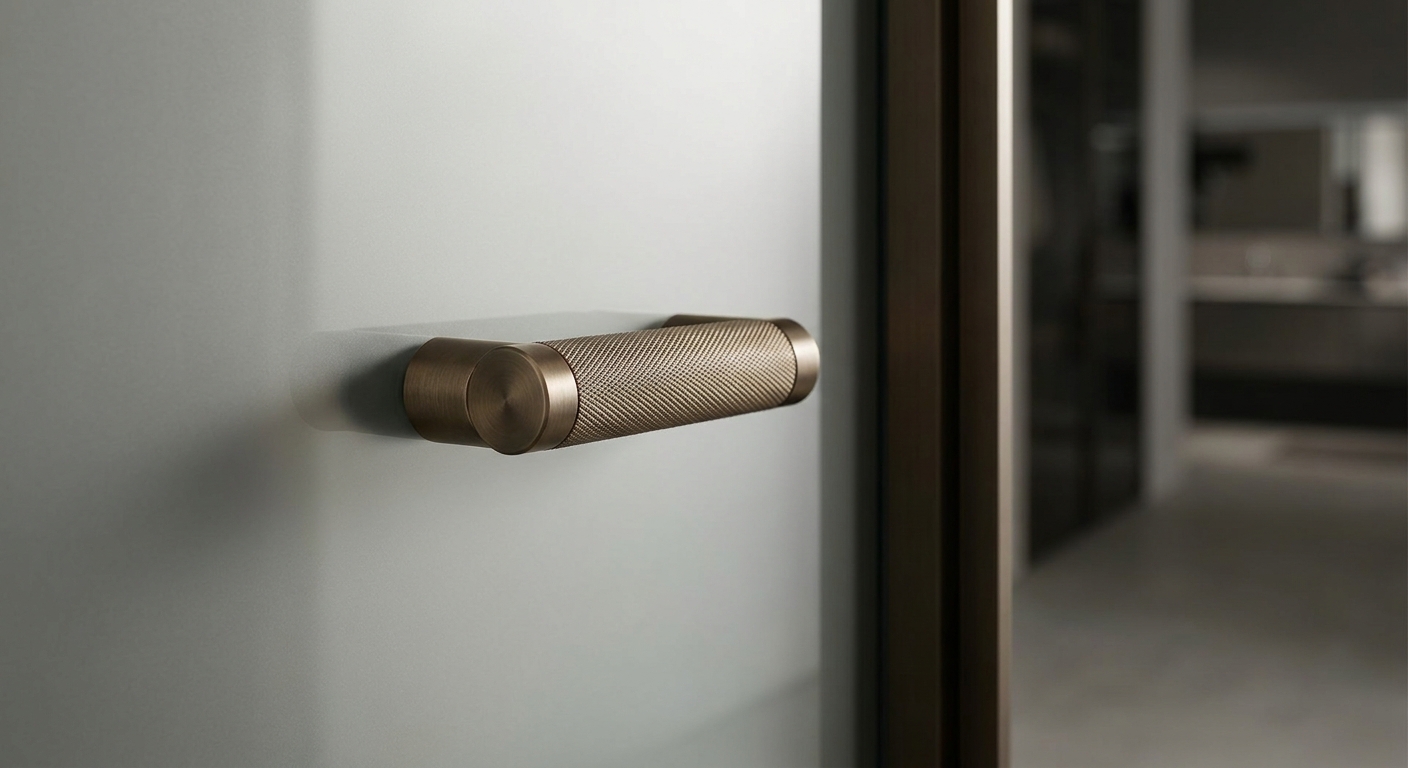
Both brands supply hardware as integrated systems, handles, hinges, magnetic locks, and concealed pulls. Lualdi’s hardware programme runs by Lissoni and Bavuso; Rimadesio’s by Bavuso. Aftermarket third-party hardware compatibility is limited and not warranty-supported.
Acoustic ratings
Standard wood-cored Lualdi doors achieve Rw 28–32 dB. Acoustic-rated versions (Lualdi Sound) reach Rw 38–42 dB. Rimadesio’s standard glass partitions achieve Rw 30–34 dB; double-glazed acoustic options reach Rw 40–44 dB.
Lead times
Lualdi: 12–16 weeks for stock-spec, 16–22 weeks for bespoke veneer or concealed-jamb installations.
Rimadesio: 12–18 weeks. Custom glass colours add 2–4 weeks.
Pricing logic
Both sit at similar price points per square metre of door opening, though Rimadesio’s larger glass-and-aluminium pieces (a 4-metre Velaria sliding partition) reach higher absolute totals. Concealed-jamb Lualdi installations have a higher labour cost on site because the wall build must be coordinated with door installation.
Practical considerations for Dubai homes
Both brands ship via consolidated container from Italy. Both require Italian-trained installers; local sub-contracting is not warranty-supported. As an experienced interior design company in Dubai, Solomia Home coordinates door schedule, hardware schedule, acoustic spec, and site-build sequencing rather than treating doors as a late-stage finish.
Selecting Lualdi or Rimadesio for a project
Lualdi for doors that disappear into walls. Rimadesio for doors that read as architecture. Most serious specifications use both, in different rooms, deliberately.