

The number that matters is total normalized exposure: the bounded repair price, adjacent work, and unresolved risk versus a full replacement price based on the same measurements. A cheap patch is defensible only when the defect is isolated, the surrounding roof is sound, and the repair does not postpone the same expense.
New owners often have photographs, a ceiling stain, and an estimated roof age, but no diagnosis. Use the following six tests to turn that limited record into comparable repair and replacement scopes.
Key takeaways
- Repair one diagnosed defect, not a broad area of unexplained leakage.
- Map inspection photographs and interior symptoms before requesting prices.
- Judge age by material, condition, repair history, and product availability.
- Compare bids only after quantities, exclusions, permits, and concealed risks match.
- Confirm local reroof rules before treating either option as viable.
Contents
- Test whether the defect is genuinely localized.
- Convert the inspection into a roof map.
- Evaluate age, condition, and material availability.
- Normalize repair and replacement costs.
- Check local code and permit requirements.
- Request comparable contractor scopes.
When is repairing the roof on a newly purchased house defensible?
Repair is defensible when one bounded defect can be corrected without chasing deterioration into the surrounding assembly.
| Decision test | Repair case | Replacement case |
|---|---|---|
| Defect boundary | One identified cause | Several defects or uncertain causes |
| Surrounding assembly | Covering, flashing, underlayment, and accessible deck are sound | Adjacent components are deteriorated |
| Recurrence | No recurring failure | Leaks returned at repaired areas |
| Material match | Compatible units and accessories are available | Profile, attachment, or accessories cannot be matched |
| Area disturbed | Work remains localized | Access requires opening a broad area |
A localized roof defect supports repair only when the surrounding assembly is sound
The roofer should identify the cause, mark the repair boundary, and check nearby covering, penetrations, flashing, ventilation components, and accessible decking. The repair method must fit the existing material, slope, attachment method, and layer count.
Multiple failure points make full roof replacement more defensible
Distributed cracking, corrosion, broken units, seam failures, soft decking, or recurring flashing leaks weaken the case for repair. Before accepting either recommendation, locate those findings on the inspection photographs and roof plan.
How should a buyer read the roof inspection before requesting bids?
Turn the inspection into a location-based scope that separates visible damage from suspected causes requiring further investigation.
- Record each photo number, roof slope, nearby feature, defect, and approximate dimensions.
- Map interior stains against the roof geometry while allowing for water migration.
- List the observation method, access limits, and areas that were not visible.
- Separate direct findings from moisture-meter, attic, ceiling, or decking indications.
- Collect available permits, invoices, warranties, disclosures, and repair records.
- Flag every unresolved cause for diagnosis or a bid allowance.
Inspection photographs must be mapped to exact roof locations
A caption such as “damaged shingles” is not ready for a bid. Mark the slope, valley, ridge, wall, chimney, skylight, vent, penetration, or drainage point. Identify photographs showing only a symptom, such as a ceiling stain, because bidders may otherwise price different failures.
The InterNACHI Home Inspection Standards of Practice describes a standard inspection as visual and non-exhaustive. Under those standards, the inspector need not determine remaining service life or walk surfaces that are unsafe or not readily accessible. Missing photographs do not prove that an area is sound.
Leak evidence does not automatically identify the failed roof component
Water can travel along underlayment, decking, framing, fasteners, or penetrations before appearing indoors. A roofer may need attic access, controlled water testing, or selective removal to distinguish failed flashing from damaged covering, underlayment, or decking.
Professional access also carries job-specific safety requirements. OSHA fall-protection rules address covered roofing work at unprotected edges 6 feet or more above a lower level, with provisions for low-slope and steep roofs.
If leakage has wetted materials, fix the moisture source and dry affected areas within 24 to 48 hours where safe, as advised by the EPA mold and moisture guide.
Prior roof repairs matter when the same location has failed again
Match each prior repair’s date, scope, materials, warranty, and photographs to the current leak location. Recurrence within or beside that boundary may indicate an unresolved flashing, installation, or drainage problem. Once that history is mapped, age becomes evidence rather than an automatic verdict.
Does roof age require replacement after you buy a house?
No. Roof age becomes decisive only when material condition, recurring failures, unavailable products, or worn system components make another repair leave substantial work unresolved.
A 20-year-old roof may be repairable or exhausted depending on its material and condition
Verify the installation year through permits, invoices, warranties, disclosures, historical imagery, or identifiable materials. Compare the roof with published guidance for that specific material category, keeping the manufacturer’s climate, installation, and maintenance conditions in view. Do not apply an asphalt-shingle assumption to tile, metal, wood, or a low-slope membrane.
Condition carries more weight than the calendar. Check material-specific deterioration along with flashings, pipe boots, fasteners, sealants, underlayment interfaces, and ventilation components. One bounded defect may support repair. Widespread wear or repeated failures support replacement pricing.
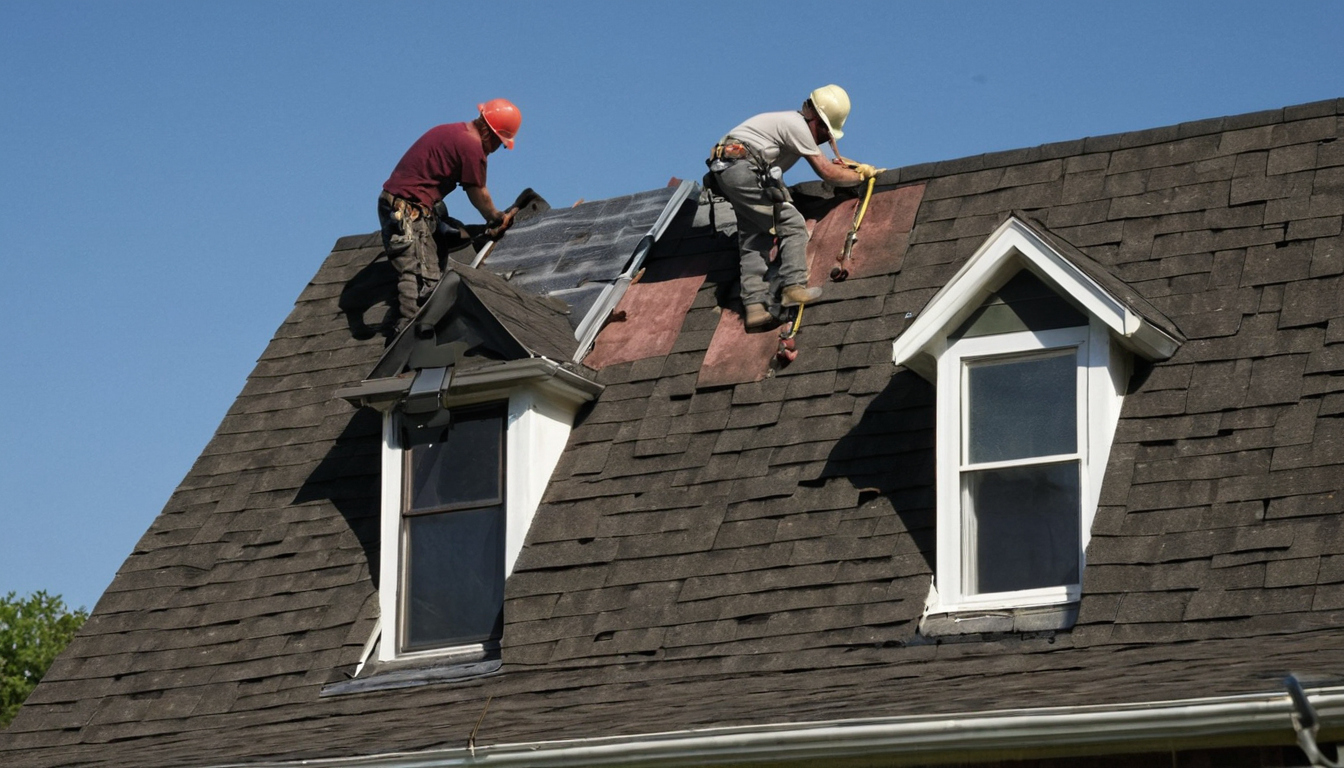
Does roof age require replacement after you buy a house shown with practical context cues.
Unavailable matching materials can expand a small roof repair
Confirm the manufacturer, product line, color, profile, dimensions, attachment method, and compatible accessories. A unit that merely looks similar may not interlock, fasten, shed water, or move with the existing covering correctly.
Require the contractor to document compatibility limits and the opening needed for a sound repair. If repair and replacement remain workable, compare their normalized costs rather than their headline totals.
How should roof repair and replacement costs be compared?
Use the same roof measurement, specification, access conditions, permit basis, and concealed-damage assumptions for both options.
A repair-versus-replacement table must normalize scope before comparing totals
- Use one measurement and material specification across all bids.
- Separate tear-off, disposal, underlayment, covering, flashing, ventilation, access, permits, inspections, and cleanup.
- Require decking unit prices and concealed-condition allowances.
- List exclusions, including gutters, fascia, skylights, framing, interiors, and solar equipment.
| Comparison point | Repair A | Repair B | Replacement A | Replacement B |
|---|---|---|---|---|
| Measured area | Record | Record | Record | Record |
| Included components | List | List | List | List |
| Exclusions | List | List | List | List |
| Decking unit price | Quote | Quote | Quote | Quote |
| Permit basis | State | State | State | State |
| Warranty boundary | Define | Define | Define | Define |
| Unresolved exposure | Price | Price | Identify | Identify |
A roof price for a 4,000-square-foot house cannot be calculated from floor area alone
Floor area does not reveal roof-plane area. Estimating requires the footprint, story count, pitch, roof shape, overhangs, attached structures, hips, valleys, penetrations, and waste basis. Material, layer count, access, labor, disposal, and permit costs also affect the price.
A $30,000 roof bid is reasonable only when its quantities and scope support it
Test the total against measured roofing units, material grade, tear-off layers, decking allowance, flashing, ventilation, equipment, disposal, permits, and warranty. Current bids for the same property and scope provide the useful comparison. Local rules then determine whether the priced options are permitted.
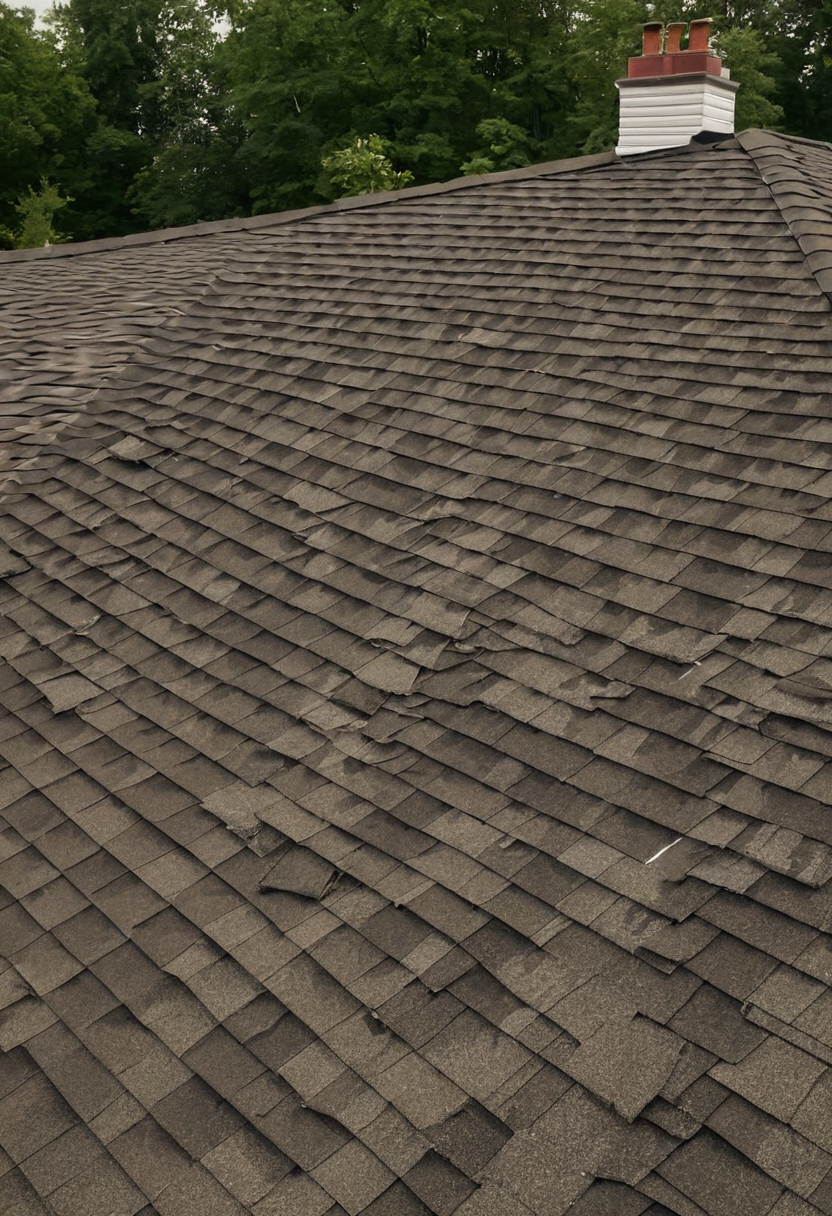
How should roof repair and replacement costs be compared shown with practical context cues.
Local roof codes and permit rules can change the repair-versus-replacement decision
Identify the authority having jurisdiction for the address before signing a contract. Confirm permits, adopted code editions, amendments, allowable layers, deck exposure, inspections, contractor licensing, and homeowner-permit restrictions.
Local roof codes and permit rules can change the repair-versus-replacement decision shown with practical planning details.
The roofing 25% rule applies only where the adopted code or local policy says it does
No national percentage rule should control the scope. Ask the building department for the current provision defining the percentage, measurement period, affected roof section, exceptions, and effective date.
Florida Statutes Section 553.844(5), for example, addresses work involving 25% or more of a roofing system or roof section. It includes a specific exception when the existing system was built, repaired, or replaced in compliance with the 2007 Florida Building Code or a later edition. That condition does not govern another jurisdiction, and the current statute must be checked for the permit date.
Roof overlays may be prohibited by layer count, material, condition, or local amendment
An overlay price is valid only if local rules and product instructions allow the covering to remain. Verify layer count, substrate condition, attachment, flashing, and compatibility. A visual home inspection cannot settle concealed assembly conditions, so selective opening may still be required.
Decking exposure and inspection requirements must appear in the replacement scope
The bid should identify inspection stages, required deck exposure, deck material, fastening, visible damage, and unit prices for corrections. Confirm permit fees and local underlayment, flashing, ventilation, ice-barrier, and wind-attachment requirements. With those rules documented, contractors can price the same legal scope.
What should a new homeowner ask roofing contractors to price?
Request one written repair scope and one replacement scope when both remain technically plausible, using the same measurements and known site conditions.
Roofing contractors should bid the same scope before their prices are compared
Give every bidder the defect map, inspection photographs, roof measurements, specifications, and access constraints. Require separate base pricing, alternates, allowances, exclusions, payment terms, permits, and inspections.
- For repair, define the work area, flashing details, material match, warranty boundary, and untouched aged materials.
- For replacement, include tear-off, disposal, deck review, underlayment, flashings, penetrations, ventilation, covering, and cleanup.
- Verify licensing or registration, insurance, applicable credentials, and project-specific warranty terms.
Compare quantities line by line and ask bidders to explain recommendations that conflict with the inspection record. Then compare roofing contractors by scope, ventilation, flashing, and warranty.
The roof contract should assign concealed-condition and change-order risk
List unit prices for plausible concealed decking, framing, and flashing work. Require photographs, written authorization, and a homeowner-set approval threshold before added work begins. Record why repair or replacement was selected, what remains unresolved, and which site finding would change the decision.
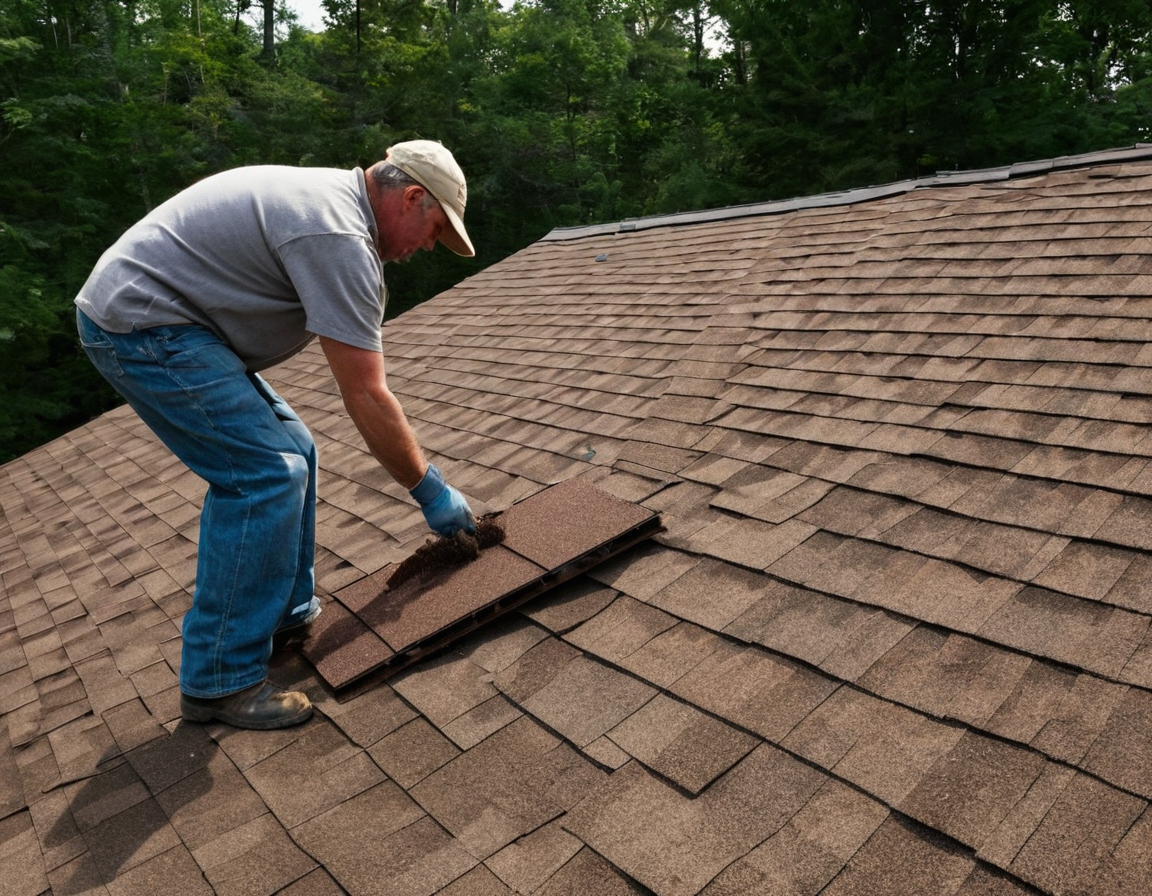
What should a new homeowner ask roofing contractors to price shown with practical context cues.
Frequently asked questions
These answers apply the same six tests to common bid-meeting questions.
Does a 20-year-old roof need to be replaced if it has only one documented leak?
Not automatically. Confirm the leak cause, surrounding condition, repair history, material compatibility, and local requirements before choosing repair.
What is the roofing 25% rule, and does it apply in my city or county?
It is a jurisdiction-specific threshold, not a universal national rule. Obtain the current local code section or written building-department interpretation for the property address.
How much does roof replacement cost for a 4,000-square-foot house when the actual roof area is unknown?
A defensible total cannot be calculated from floor area alone. Measure the roof planes and quantify pitch, geometry, accessories, tear-off, and concealed-condition allowances first.
Is $30,000 too much for a roof replacement, or does the measured scope justify the bid?
The total is not enough to decide. Compare measured quantities, material grade, layers, flashing, ventilation, decking allowance, permits, disposal, access, and warranty against equivalent bids.
Can a roofing contractor repair one section when matching shingles, tiles, or panels are no longer available?
Only if the proposed material and method produce a compatible, code-compliant repair. If compatibility cannot be documented, the sound repair boundary may expand or replacement may become the defensible choice.